Put a stop to goose conflicts before they become issues.
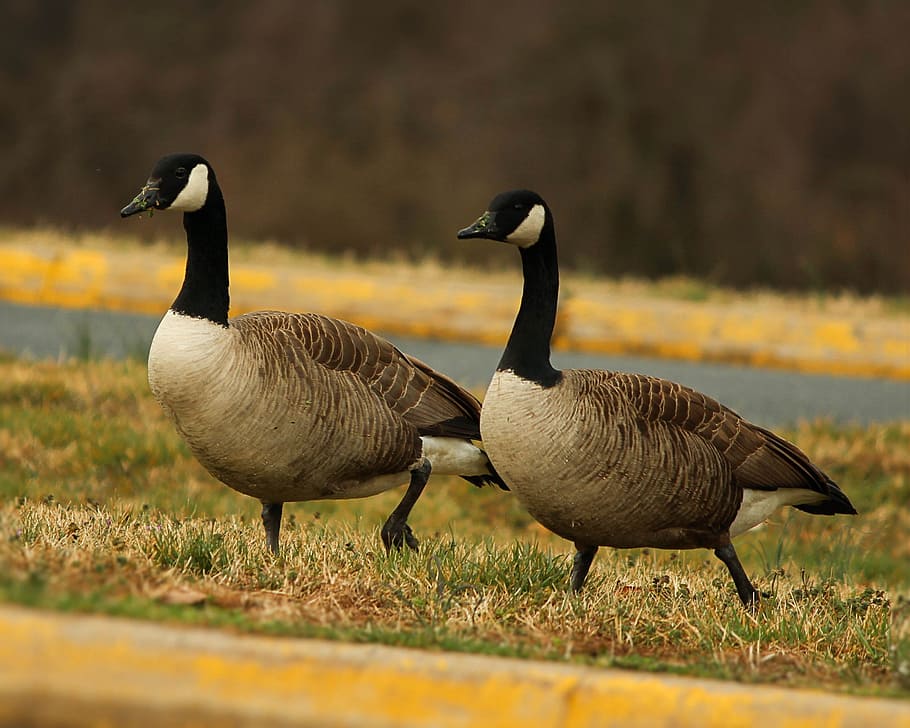
Canada geese are well-suited to a wide range of habitats, from agricultural fields and rural waterways to neighborhood ponds, business parks, and urban green spaces. As they continue to thrive in developed areas, encounters between geese and people have become more common, according to the Georgia Department of Natural Resources’ Wildlife Resources Division (GADNR WRD).
“We get used to seeing Canada geese almost everywhere, from parks to golf courses, parking lots to subdivisions. Most of the time, if you don’t bother them, they won’t bother you,” says Kara Nitschke, wildlife biologist and the state waterfowl biologist with the GADNR WRD Game Management Section. “But during nesting season, goose behavior can change from ambivalent to outwardly aggressive. This is because they become protective of their nests and will try to defend the area around the nest from anything that seems threatening – including people.”
The nesting season for geese is just getting underway, and landowners and land managers (homeowners, golf course managers, city/county managers, etc.) that have experienced past geese issues – especially during the summer molting season – may be able to act now to reduce issues later.
Canada geese are a protected species under state and federal law. It is illegal to hunt, kill, sell, purchase or possess Canada geese except according to Georgia’s migratory bird regulations or other federal permits. However, there are a variety of methods for handling situations before they become an issue:
- Harassment: Landowners who don’t want geese on their property should first try a variety of harassment techniques. Various devices, such as reflective tape, scarecrows or even decoys of predators (like coyotes), can help discourage geese from using certain areas. Motion-activated sprinklers or loud noises (like recordings of predator calls) can also be effective. Now is the ideal time to act. At this time of year, geese are still in the process of choosing where to settle, making it an excellent opportunity to discourage them from nesting in areas where they might cause issues. These methods do require consistency from the property owner and are not always 100% effective.
- Reduce Goose Reproduction: The U.S. Fish and Wildlife Service has issued regulations that allow for additional control measures, apart from harassment techniques and traditional hunting, to help address human-goose conflicts. One of those regulations is a permit for reducing goose reproduction through nest and egg removal or egg addling/oiling to prevent the eggs from hatching.
“These permits provide a legal way to disrupt geese from nesting in specific areas, which can help keep the population from growing too large through years of unchecked reproduction,” says Nitschke.
U.S. Fish and Wildlife Service permits are available at epermits.fws.gov/eRCGR/geSI.aspx. Their website also contains useful information on the methods for addling or oiling the eggs or removing the nests, and when each method may be appropriate.
For more information on Canada geese, visit GeorgiaWildlife.com/preventing-wildlife-conflicts, scroll to “Common Conflict Species” and click on “Canada Geese.”