
By Leah Ozment
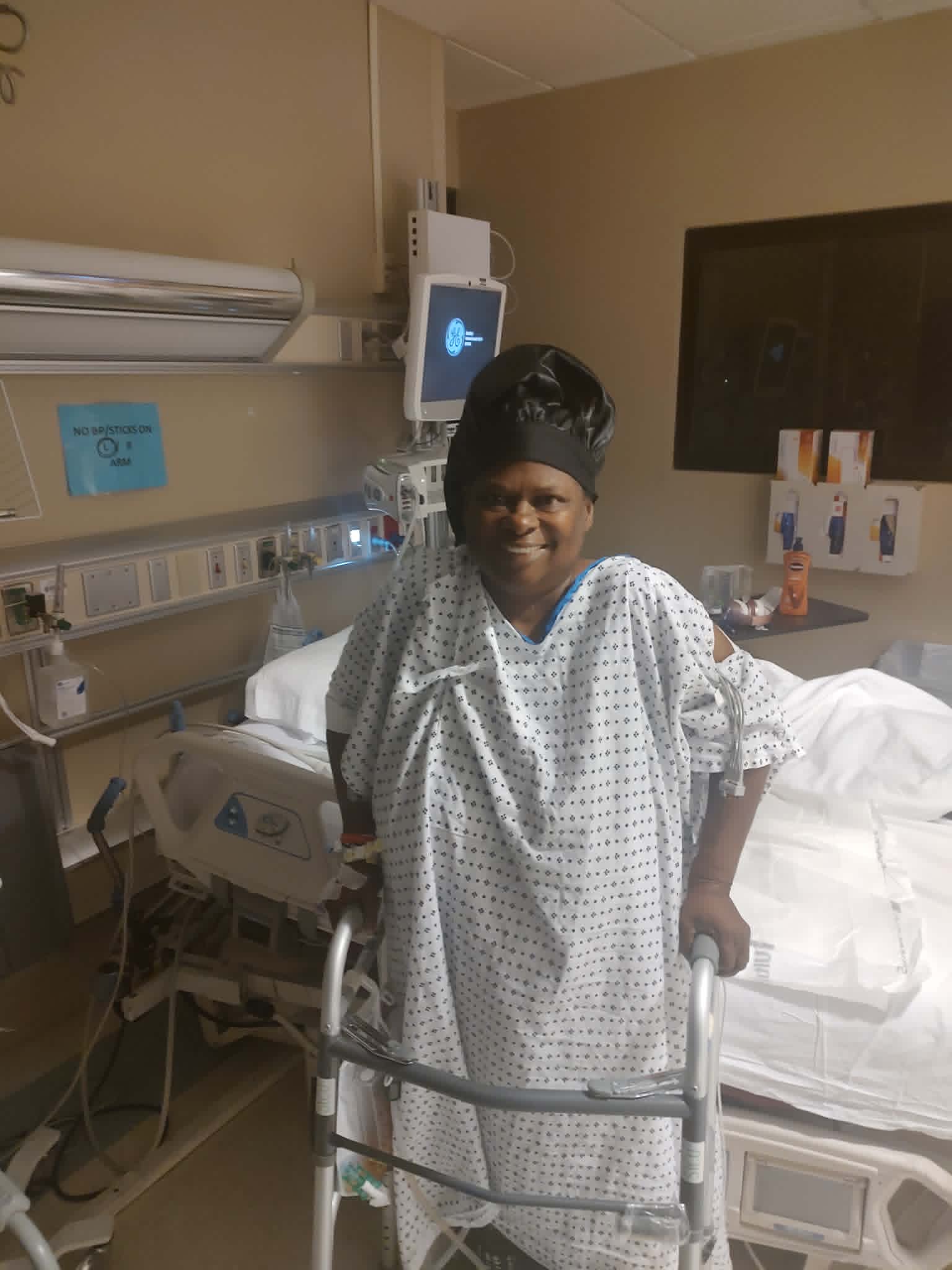
Today, people across Chattooga County are praying for Felicia Foster as she recovers from kidney transplant surgery at Erlanger Hospital.
Her family asked for prayers. Her mother shared a photo. AllOnGeorgia shared the update. And just like that, organ donation became what it always truly is: not a statistic, not a campaign, not a checkbox at the driver’s license office, but a human life.
A woman. A family. A hospital room. A surgery. A community holding its breath.
For Felicia’s family, the call came.
For thousands of others, it still has not.
More than 103,000 people are currently on the national transplant waiting list in the United States. Thirteen people die each day waiting for an organ transplant. Most people on that list are waiting for a kidney.
Those numbers are hard to comprehend until a name is attached to them. Until the person waiting is someone from your county. Someone your child went to school with. Someone from your church. Someone who worked beside you. Someone whose family is asking the community to pray because surgery is happening today and everything depends on what comes next.
The waiting list is not made of numbers.
It is made of people.
I know organ donation from the side no parent wants to stand on.
My son Thomas became an organ donor after he was killed. Nothing about that sentence is easy to write. Organ donation did not make his death okay. It did not erase what was lost. It did not soften the trauma of losing my child.
But it did something that still matters.
And I do not mean that in a vague or sentimental way. I mean it literally.
Thomas’s heart gave life to Jason, a man in Indiana who received my son’s heart.
Since his transplant, Jason has walked his daughter down the aisle. He has welcomed a grandchild into the world. His grandson still has his grandfather. His family has been given more birthdays, more ordinary mornings, more time around the table.
That is not symbolism. That is life.
Organ donation did not just give my son’s death meaning. Meaning is too small a word for what happened. It gave another man breath, time, family, and a future that would not have existed without the decision to donate.
When you are a donor family, you learn that organ donation exists in the space between devastation and mercy. One family is being asked an impossible question at the worst moment of their lives. Another family is somewhere else, praying for the call that could save someone they love.
Both families matter.
The grief of one family does not disappear because another family receives hope. The life of the recipient does not cancel the loss of the donor. Organ donation is not a neat or simple story. It is human, painful, sacred, complicated, and deeply necessary.
We have to be honest enough to call this what it is. When more than 100,000 people are waiting for a transplant, and people die every day because the organ they need does not come in time, this is not only a medical issue. It is a humanitarian crisis.
Not because people are cruel.
Because people are unprepared.
Because families do not always know what their loved one wanted.
Because death is hard to talk about.
Because fear, silence, mistrust, and misinformation still shape decisions that determine whether someone else lives.
Registering as an organ donor matters. Telling your family matters too. Do not leave them guessing on the worst day of their lives.
Today, Felicia Foster’s family is asking for prayers. They deserve every one.
We can pray for Felicia. We can pray for her medical team. We can pray for the family whose loss made transplant possible. We can pray for every person still waiting.
And for those who feel moved beyond prayer, organ donation gives us a way to turn compassion into action.
We can register as organ donors. We can tell our families. We can ask the people we love what they would want. We can stop treating organ donation as something too uncomfortable to discuss until the moment when comfort is no longer available.
The waiting list has names.
Today, one of those names is close enough for Chattooga County to recognize.
Thousands more are still waiting.
To learn more about organ and tissue donation, including how to register your decision, visit LifeLink of Georgia at www.donatelifegeorgia.org.
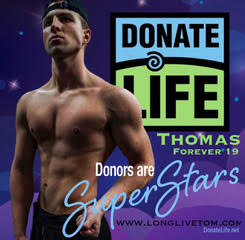
Author bio: Leah Ozment is a licensed clinical social worker, grief educator, donor mother, and founder of Still Here Grief Institute. Her son, Thomas, became an organ donor after his death, and his heart recipient, Jason, remains part of Thomas’s continuing story.





Bulloch Public Safety
10/16/2026 Booking Report for Bulloch County


Chattooga Schools
Berry College is among the Top 20 Colleges for Internships


Bulloch Public Safety
09/28/2026 Booking Report for Bulloch County
Bulloch Public Safety
10/12/2026 Booking Report for Bulloch County
Bulloch Public Safety
09/25/2026 Booking Report for Bulloch County
Bulloch Public Safety
09/21/2026 Booking Report for Bulloch County
Bulloch Public Safety
10/05/2026 Booking Report for Bulloch County