
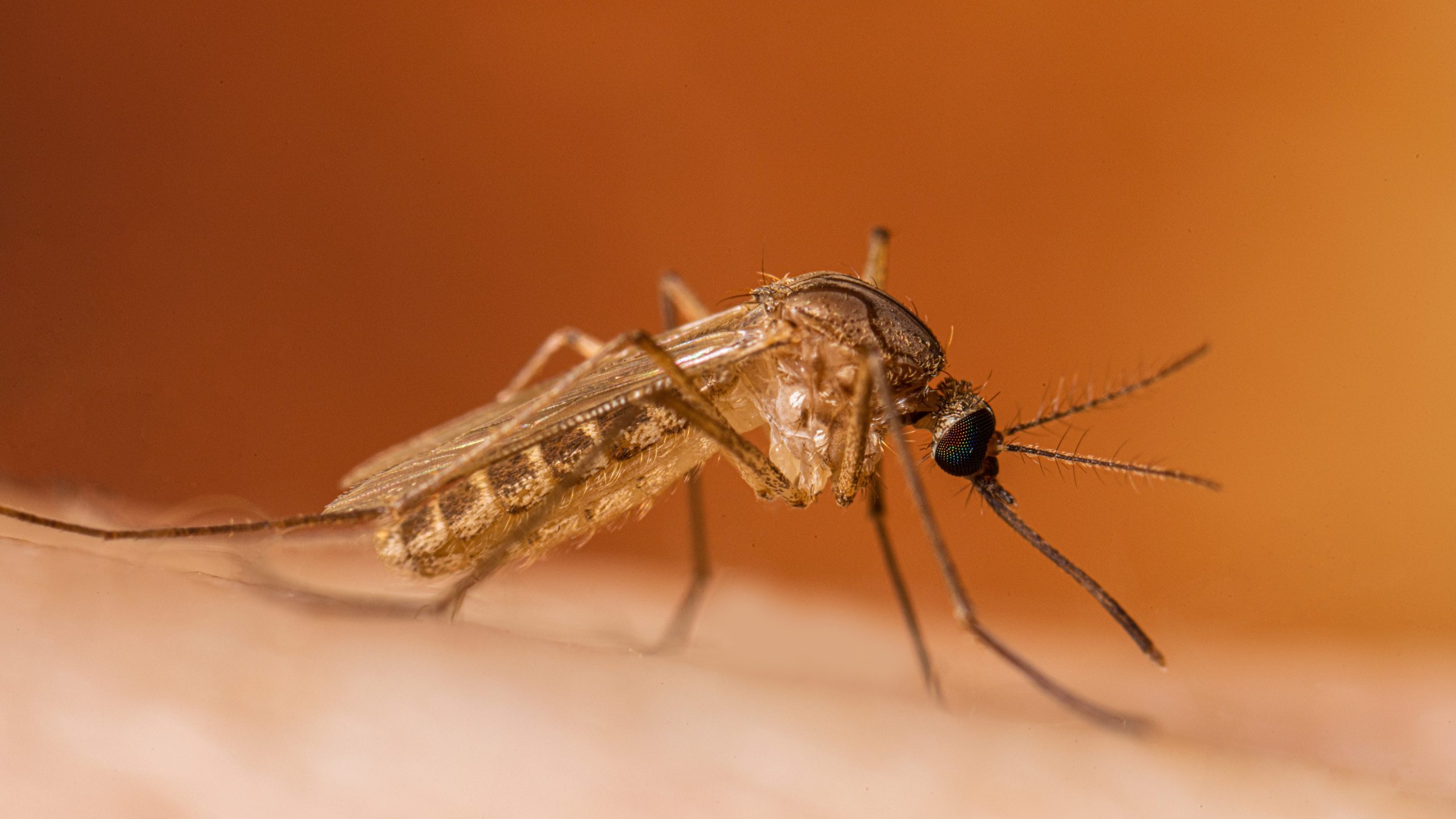
Georgians Urged to Protect Themselves from Mosquito Bites

The Georgia Department of Public Health (DPH) has confirmed eight human cases of West Nile virus (WNV) in 2026, but that number is expected to increase. DPH has also confirmed one WNV death. Mosquito traps have tested positive in multiple counties, including Chatham, Fulton, and DeKalb. Mosquito season typically lasts through October, so Georgians are urged to protect themselves from mosquito bites.
Most people infected with WNV do not develop symptoms. Others may have mild flu-like symptoms such as fever, headache, body aches, joint pain, vomiting, diarrhea, or a rash that typically develop 2-6 days after a bite from an infected mosquito. The elderly, individuals with compromised immune systems, or those with other underlying medical conditions are at greater risk for severe complications from the disease, including infection of the central nervous system.
DPH recommends using EPA-registered insect repellents containing DEET (20%- 30%), Picaridin, IR3535, or Oil of Lemon Eucalyptus. Wear light-colored clothing, including loose-fitting long sleeves, pants, and socks, to help protect against mosquito bites. Mosquitoes bite day and night, so no matter what time you’re outside, remember to use insect repellent to protect against mosquito bites.
One of the most effective ways of controlling the mosquito population starts in your yard. After every rainfall, or at least once a week, drain containers that hold water to eliminate mosquito breeding sites and prevent the spread of illness. Tip out standing water in flowerpots, planters, children’s toys, wading pools, and buckets. Make sure doors and windows fit tightly and are in good repair to keep mosquitoes out.
Anyone with questions about WNV illness should speak to their healthcare provider or call their county health department. For more information about WNV, visithttps://cdc.gov/west-nile-virus/index.html.




Chattooga Local News
West Nile Virus Infections Increasing in Georgia

Chattooga Schools
THS Homecoming Dance Turned Harvest Moon Gala

Bulloch Public Safety
09/16/2026 Booking Report for Bulloch County

Chattooga Local News
Judge Sentences Price to 25 Years, First Five to Serve, in Oak Street Shooting Death

Chattooga Schools
GNTC announces President’s and Dean’s Lists for summer 2026
Bulloch Public Safety
08/31/2026 Booking Report for Bulloch County
Bulloch Public Safety
08/24/2026 Booking Report for Bulloch County
Bulloch Public Safety
09/08/2026 Booking Report for Bulloch County
Bulloch Public Safety
08/21/2026 Booking Report for Bulloch County
Bulloch Public Safety
09/04/2026 Booking Report for Bulloch County