
Every summer, we watch teachers prepare to return to school. We see photographs of shopping carts filled with classroom supplies. We see Amazon wish lists and posts asking whether anyone has an extra bookshelf, rug, lamp, storage bin, or package of pencils. We see teachers spending their own money to build classrooms that feel safe, welcoming, and ready for children. All of us see it. We may donate an item, share the post, or praise the teacher’s dedication. Then we move on as though none of this is unusual.

It is unusual.
Teachers are personally supplying the places where they are employed before the first student walks through the door. We have turned it into a back-to-school tradition instead of asking what it reveals about the expectations placed on educators. And the supplies are only what we can see. We do not always see the planning time lost to class coverage, the work completed after contract hours, the student crises carried home, or the teacher sitting in her car trying to steady herself before walking inside.
I am writing this because I work with teachers. I meet them after the school day is over, when the classroom is quiet but their minds are not. I hear what they replay on the drive home, what they are afraid to say in meetings, and how long many wait before admitting the job is affecting their mental health. I have also watched what changes when teachers understand that silence is not professionalism and that they do not have to wait until they are falling apart to use their voices.
This is written to teachers. The rest of us are invited to listen.
You are returning to classrooms already crowded with anxiety, grief, family instability, behavioral crises, learning gaps, and children who need more help than one teacher can provide. You are also returning with a life of your own. You can love your students and dread going back. You can be a skilled, compassionate teacher and still be unable to meet every need placed before you.
Then we call you burned out as though the fire started inside you.
You have likely followed the process before. You reported the behavior. You asked for help. You explained that planning time was being lost, required work was moving into your evenings, or a student’s needs exceeded what one classroom teacher could safely manage. Maybe little changed. That does not mean speaking was pointless. It means the problem remains unresolved.
Use your voice again. Name what happened. State the effect on instruction, safety, workload, or your ability to do your job. Ask what response will follow. Put it in writing when appropriate. If the problem continues, say so again. Do this without making your willingness to speak dependent on whether the person receiving the concern responds correctly.
Repeating a legitimate concern is not complaining. Documenting a pattern is not disloyal. Following up does not make you difficult.
Your administrator may be doing everything within their authority and still be unable to provide what is needed. That does not mean the concern should stop there. Leaders have voices, too. Part of leadership is carrying the realities of the people they lead to the decision-makers above them.
Teachers should not be the final place where an unsolved system problem is deposited.
Take this into Monday: identify one pressure point you already expect in the upcoming school year. Write one clear sentence that names the issue, explains its effect, and asks what support or response is available. Use it when the moment comes. You do not have to wait until you are overwhelmed to say that something is not working.
We can enter this school year differently. Teachers can begin with clearer expectations, stronger voices, and permission to name what their work is requiring from them. The rest of us can begin by acknowledging what we have been watching all along.
Remember: Before anyone asks you to give more, they should first hear what the job is already asking you to carry.
This is the first in an ongoing Sunday series written directly to teachers. Twice each month, the series will offer one honest conversation and one practical thought to carry into Monday.
Author bio:
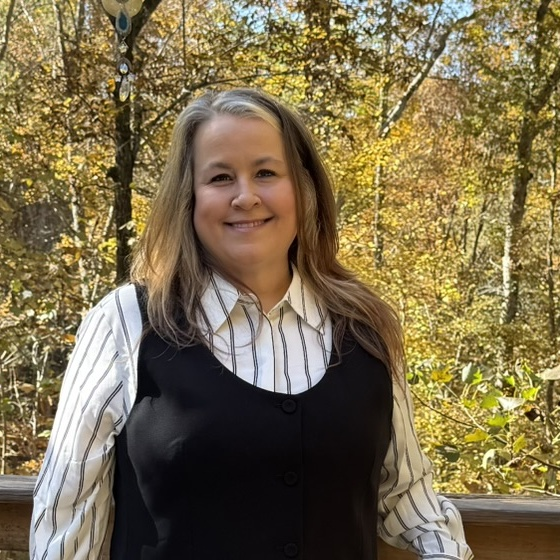
Leah Oment is a licensed clinical social worker, mental health advocate, and grief educator specializing in parental grief and child loss. She is the founder of Still Here Grief Institute. Her son, Thomas, became an organ donor after his death.


Chattooga Local Government
Chattooga Schools Superintendent Clarifies Confusion Over Property Tax Digest Increase

Chattooga Local Government
New Warnock Report Finds SAVE Act Imposes Poll Tax on Millions of Married American Women


Chattooga Schools
GNTC Foundation awards fall 2026 scholarships

Chattooga Schools
U.S. News Ranks Berry No. 1 for Best Value in the South

Bulloch Public Safety
08/31/2026 Booking Report for Bulloch County
Bulloch Public Safety
09/08/2026 Booking Report for Bulloch County
Bulloch Public Safety
09/21/2026 Booking Report for Bulloch County
Bulloch Public Safety
09/25/2026 Booking Report for Bulloch County
Bulloch Public Safety
09/14/2026 Booking Report for Bulloch County